Online Sports Shopping Benefits
Buying sports gear online offers genuine convenience. You can browse from home, compare prices across retailers in minutes, and have items delivered within 24 to 48 hours from major UK suppliers like Decathlon, JD Sports, and Sports Direct.
Price comparison happens instantly online. Most websites display multiple options side-by-side, making it simple to spot discounts. Many retailers offer free returns within 30 days, so you can test products at home.
Selection online is typically larger. A physical shop might stock 150 pairs of running trainers; an online store may have 800. This proves especially useful for specialist items like trail shoes, climbing harnesses, or niche team kits.
- Next-day delivery available from most major retailers
- Access to international brands not stocked locally
- Filter options by size, colour, sport, and price
- Read customer reviews before purchase
- Shop during off-peak hours without time pressure
Return processes are straightforward. Print a label, package the item, and drop it at any ParcelShop or collection point. Refunds typically process within 5 to 7 working days.
In-Store Shopping Advantages
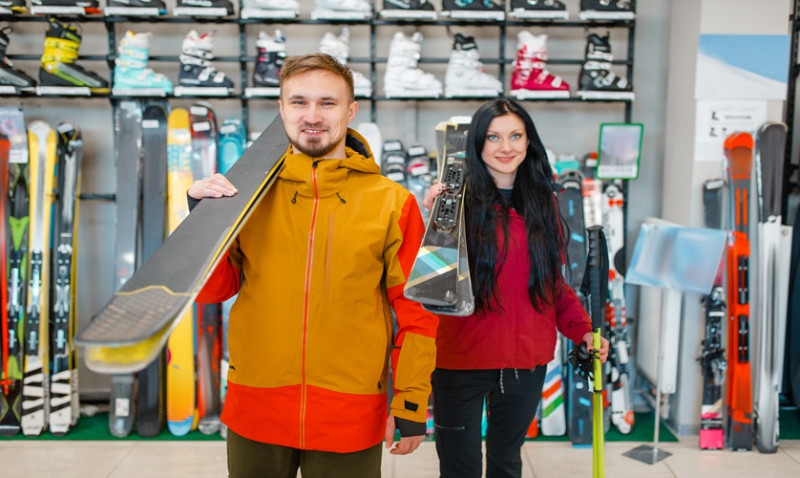
Physical shops offer immediate gratification and hands-on experience. You try on items, feel fabric quality, and walk around to test comfort in real time. This matters significantly for footwear, where fit determines performance and prevents injury.
Staff expertise varies between shops. Independent specialists in climbing, cycling, or running provide detailed advice based on years of experience. Chain stores employ trained staff, though availability fluctuates during quiet periods.
Same-day availability means no waiting. You need new football boots for Wednesday's match, you buy them Tuesday afternoon. No delivery delays or tracking anxieties. You leave with your purchase confirmed and ready to use.
Try-before-you-commit works better in-store. Running shoes need testing at proper gait speed. Sports bras require movement verification. Compression wear should feel correct immediately, not surprise you when it arrives.
- Instant product inspection and quality checking
- Size verification through professional fitting services
- Immediate problem resolution without shipping
- Personal recommendations from experienced staff
- Community atmosphere, especially in specialist shops
Pricing and Value Comparison
Online retailers typically offer lower prices because they operate fewer physical locations and reduce overhead costs. Decathlon's UK online store undercuts high-street prices by 10 to 20 percent on most items. Sports Direct maintains consistently low prices both online and in-store.
Hidden costs exist in both channels. Online shopping sometimes charges delivery fees, though this has largely disappeared from major retailers. In-store shopping costs travel time and petrol or public transport fares. A trip to your local retail park might cost £3 to £5 in combined expenses.
Sales timing differs between channels. Online flash sales happen multiple times weekly. In-store sales follow seasonal patterns: January, August, and Boxing Day see biggest discounts. Member programs reward loyalty differently. JD Sports app members access exclusive online deals within hours of listing.
Sizing and Returns: Which Works Better
Sizing accuracy depends on the product type. Trainers and shoes carry higher return rates online because fit varies between brands. One brand's size 9 may feel tighter or looser than another. In-store fitting avoids this entirely. Clothing items like shorts, t-shirts, and jackets size more consistently, making online purchasing lower-risk.
Return policies across UK retailers are fairly standardised. Decathlon, JD Sports, and Sports Direct allow 30-day returns. Specialist shops like Cotswold Outdoor and Runners Need offer 60 days for footwear specifically. Online returns mean waiting for delivery, then waiting for refunds. In-store returns complete instantly.
Restocking fees apply rarely to sports gear in the UK. Most retailers absorb return costs as part of customer service. Check individual shop policies for items over £500, where some specialist retailers impose 10 to 15 percent fees.
When to Buy Online
Choose online shopping for items you've bought before. If you've owned three pairs of Nike Air Max trainers and know they fit perfectly, buy the new model online without hesitation. Repeat purchases of running vests, socks, or shorts work well online.
Bulk buying makes online sense. Team kits, club membership packs, and corporate sports events often require multiple items. Online shopping lets you order everything together with one checkout process and potential bulk discounts.
Specialist products often exist online only. Obscure climbing chalk types, specific triathlon wetsuits, or rare football team shirts may not exist in your local high street. Online retailers maintain deeper specialist inventory.
Convenience and time constraints favour online. Early morning orders arrive within 48 hours. Late-night browsing and purchase work well for busy parents, shift workers, and those with limited shop hours access.
When to Shop In-Store
Visit shops when fit is critical. First-time runners buying their first proper running shoes need gait analysis and professional fitting. Climbing shops fit harnesses to ensure safety. Sports bra specialists measure properly. These purchases require in-person attention.
Urgent needs demand in-store shopping. Your child's school PE kit gets forgotten for tomorrow's lesson. You broke your water bottle the morning of training. In-store provides immediate solutions within hours.
Expert advice becomes valuable for beginners. Someone starting triathlon, learning to climb, or changing sports benefits from staff experience. Independent shops in particular employ practitioners who understand equipment nuances beyond what product descriptions reveal.
Many people enjoy the shopping experience itself. Browsing, discovering new brands, and the retail environment have genuine appeal. Specialist community shops build real relationships with customers, hosting events and group training sessions.
How to Compare Your Options
Start with online research regardless of where you eventually buy. Read reviews, check specifications, and identify your preferred options. This groundwork works for both channels. Online shoppers use this research directly. In-store shoppers come informed and ask focused questions.
Calculate total costs transparently. Online: product price plus any delivery (if not free) plus your time managing returns. In-store: product price plus travel costs and time. These vary per individual, so do the maths for your situation.
When comparing quotes from 3 providers, look beyond headline prices. Factor in delivery speed, return policies, warranty lengths, and customer service reviews. A slightly higher price with faster delivery and hassle-free returns may offer better value than rock-bottom pricing with restrictive terms.
Ask yourself these questions: Do I know this product well? Is fit uncertain? Am I under time pressure? Do I want immediate use? How comfortable am I waiting 2 to 3 days? Your honest answers reveal whether online or in-store makes more sense for each purchase.
Trending articles
- Sports Shop Rates and Pricing in 2026: ... Feb 2026
- How to Get More Sports Equipment And ... Feb 2026
- How to Buy Sports Equipment in the UK: ... Feb 2026
- Best Sports Shops UK Comparison 2026 ... Feb 2026
- Online vs In-Store Sports Gear ... Feb 2026
-
 Top 5 Family-Friendly Sports to ...
Jun 2025
Top 5 Family-Friendly Sports to ...
Jun 2025